

Hand & Finger Injuries in Texas Workers’ Compensation Claims
Hand and finger injuries are among the most common and most disabling injuries in Texas workers’ compensation claims. Workers in construction, warehousing, manufacturing, oilfield work, transportation, food service, healthcare, and any job requiring gripping, lifting, pushing, pulling, or tool use are at high risk.
Because the hand is essential for nearly every job task, even “minor” injuries can cause major functional loss — and insurance companies frequently dispute these claims, calling them “degenerative,” “minor,” or “not work‑related.”
This pillar page provides a complete, SEO‑optimized, medically accurate, legally strategic overview of hand and finger injuries in Texas workers’ compensation, including:
Anatomy
Common injury types
Mechanisms of injury
Diagnosis
Treatment
Impairment ratings
Insurance disputes
How MLF Legal wins these cases
It also links to deeper subpages for each hand/finger injury category.

What Evidence Do You Need for a Texas Rideshare Accident Claim?
Strong Texas Uber and Lyft accident claims rely on evidence proving fault, app status, insurance coverage, injuries, and damages. Learn what to preserve.
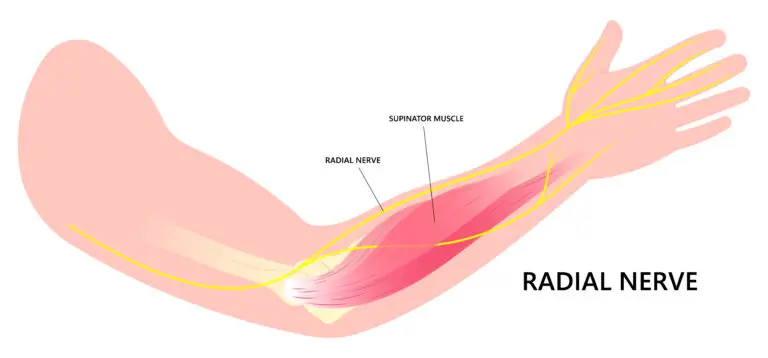
Radial Nerve Compression in Texas Workers’ Compensation Claims
Radial nerve compression — often referred to as Wartenberg’s Syndrome or superficial radial nerve entrapment — is a painful nerve injury affecting the thumb‑side of the wrist and hand. In Texas workers’ compensation claims, radial nerve compression is frequently linked to repetitive gripping, tool vibration, tight equipment, and direct trauma.
Despite clear medical evidence, insurance carriers often dispute radial nerve injuries, calling them “minor,” “degenerative,” or “not work‑related.” This post explains how radial nerve compression develops, how it’s diagnosed, what treatment is available, and how injured workers can protect their claims.
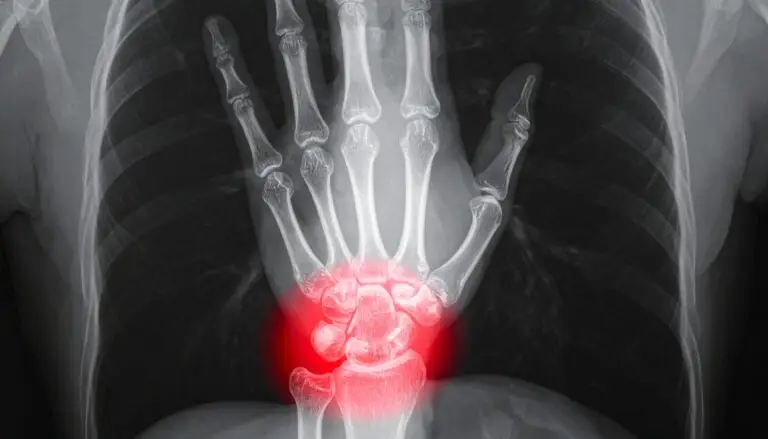
Ulnar Impaction Syndrome in Texas Workers’ Compensation Claims
Ulnar Impaction Syndrome (UIS) — also known as ulnar abutment syndrome — is a painful degenerative wrist condition caused by excessive pressure between the ulna and the carpal bones, especially the lunate and triquetrum. In Texas workers’ compensation claims, UIS is frequently linked to repetitive gripping, heavy lifting, twisting injuries, and trauma that alters wrist mechanics.
UIS is one of the most misunderstood and most disputed wrist conditions in workers’ comp. Carriers often claim it is “degenerative,” “preexisting,” or “not caused by work.” But UIS is commonly triggered or aggravated by workplace trauma — especially TFCC tears, ulnar‑sided wrist injuries, and repetitive strain.
This post explains how UIS develops, how it’s diagnosed, what treatment is available, and how injured workers can protect their claims.

Alzheimer’s Disease and Social Security Disability Benefits
People living with Alzheimer’s disease often experience progressive memory loss, confusion, impaired judgment, difficulty completing familiar tasks, and challenges with communication. As symptoms worsen, individuals may struggle to manage daily responsibilities, maintain employment, or safely perform routine activities without assistance.
Alzheimer’s disease is a progressive neurological disorder that affects memory, thinking, and behavior. Although treatments may help manage symptoms or slow progression, the condition typically results in increasing functional limitations over time.

Can You Sue Uber or Lyft After an Accident in Texas?
A Texas rideshare accident may support claims against a negligent driver, another motorist, or other responsible parties. Direct claims against Uber or Lyft require a fact-specific legal analysis.
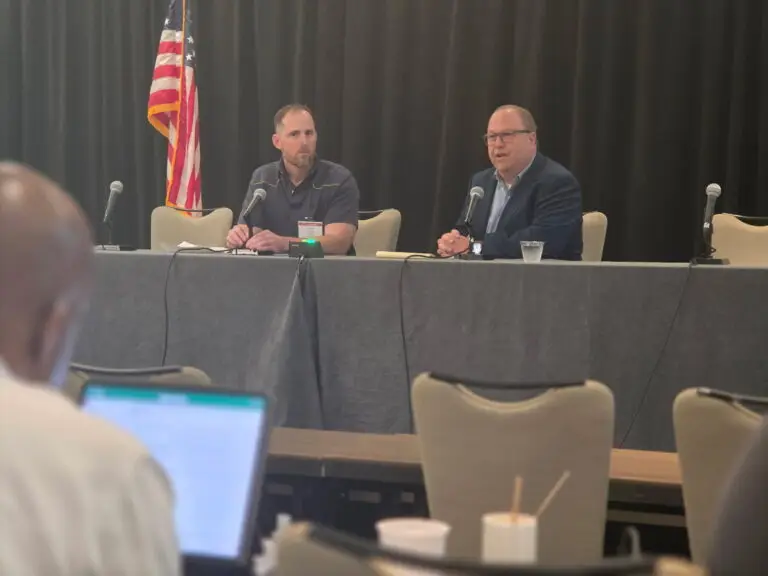
23rd Annual Advanced Workers’ Compensation Law Course
This month, Matt, a former Chair of the Workers’ Compensation Law Section of the State Bar of Texas, captivated attendees with his presentation, “Peering at the Evidence: Inside the Record Review That Makes or Breaks Extent-of-Injury Claims.” Collaborating with Dr. John Welsh, a renowned Texas peer review doctor, they delved into the critical aspects of evidence evaluation in workers’ compensation cases. Don’t miss the opportunity to enhance your knowledge and skills in this vital area of law!

Post Traumatic Wrist Arthritis in Texas Workers’ Compensation Claims
Post‑traumatic wrist arthritis is one of the most disabling long‑term consequences of workplace wrist injuries in Texas workers’ compensation claims. It develops when trauma — such as fractures, ligament tears, TFCC injuries, or chronic instability — damages the cartilage and joint surfaces of the wrist. Over time, this leads to pain, stiffness, weakness, and loss of function.
Insurance carriers frequently dispute post‑traumatic arthritis, claiming it is “degenerative,” “age‑related,” or “not caused by the work injury.” This post explains how post‑traumatic wrist arthritis develops, how it’s diagnosed, what treatment is available, and how injured workers can protect their claims.

How Much Is an Uber or Lyft Accident Claim Worth in Texas?
No fixed average determines a Texas Uber or Lyft accident settlement. Learn which medical, financial, insurance, and liability factors affect claim value.

Residual Functional Capacity for Fibromyalgia When Filing For Social Security Disability
Fibromyalgia can affect a person’s ability to work in ways that are difficult to capture with X-rays, MRIs, or routine lab testing. Many people with fibromyalgia experience widespread pain, fatigue, brain fog, poor sleep, flares, medication side effects, and reduced stamina. These symptoms may make it difficult to sit, stand, walk, lift, carry, concentrate, maintain pace, attend work consistently, or complete a full workday.
For many fibromyalgia disability claims, the most important issue is residual functional capacity, often called RFC.
Residual Functional Capacity is Social Security’s assessment of what a person can still do despite medical limitations.
A fibromyalgia RFC may involve limitations related to:
widespread pain
chronic fatigue
brain fog
memory problems
difficulty concentrating
poor sleep
muscle tenderness
headaches
irritable bowel symptoms
sensitivity to stress
medication side effects
reduced stamina
flares
absences
inability to complete a full workday
A diagnosis of fibromyalgia does not automatically qualify someone for Social Security Disability benefits. Social Security evaluates whether the condition, symptoms, treatment history, and functional limitations prevent reliable full-time employment.
This guide explains how RFC applies to fibromyalgia claims, what limitations may matter, what medical evidence may help, and when it may be time to speak with a disability lawyer.

Lunotriquetral Ligament Tears in Texas Workers’ Compensation Claims
Lunotriquetral ligament (LTL) tears are serious wrist injuries frequently seen in Texas workers’ compensation claims — but they are far less recognized than scapholunate ligament tears. The lunotriquetral ligament stabilizes the connection between the lunate and triquetrum, two critical carpal bones on the ulnar side of the wrist. When torn, the wrist becomes unstable, painful, and mechanically dysfunctional.
Because LTL tears often require surgery and can lead to long‑term disability or arthritis, insurance companies frequently dispute them, claiming the injury is “degenerative,” “minor,” or “not work‑related.” This post explains how lunotriquetral ligament tears happen, how they’re diagnosed, what treatment is available, and how injured workers can protect their claims.

Who Pays Medical Bills After an Uber or Lyft Accident in Texas?
Medical bills after a Texas rideshare crash may be paid through health insurance, PIP, MedPay, liability proceeds, or UM/UIM coverage. Learn which sources may apply.

Average Weekly Wage In Texas Workers’ Compensation Claims
Discover the crucial insights behind the Average Weekly Wage in Texas Workers’ Compensation Claims! Understanding how wages are calculated can significantly impact the benefits you receive if you find yourself in a work-related injury situation. This informative video breaks down the complexities of wage calculations, ensuring you’re well-equipped to navigate the claims process. Whether you’re an employee seeking clarity or an employer wanting to understand your responsibilities, this resource is invaluable. Don’t miss out on essential information that could affect your financial well-being during challenging times. Click the link to watch and empower yourself with knowledge today!

How Does Uber and Lyft Insurance Work After a Texas Accident?
Uber and Lyft insurance coverage in Texas changes according to the driver’s app status. Learn which policy may cover passengers, drivers, and other accident victims.
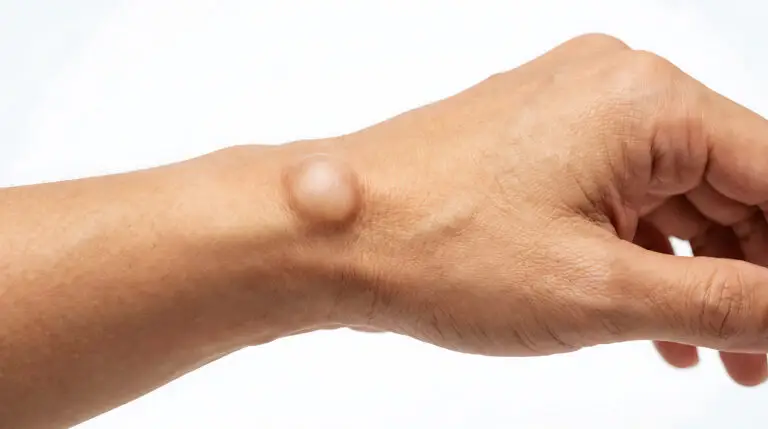
Ganglion Cysts in Texas Workers’ Compensation Claims
Ganglion cysts are one of the most common soft‑tissue masses seen in Texas workers’ compensation claims. Although often dismissed as “minor,” ganglion cysts can cause significant pain, weakness, nerve compression, and loss of function — especially when they develop after a wrist injury or repetitive strain at work.
Insurance carriers frequently dispute ganglion cyst claims, arguing they are “degenerative,” “idiopathic,” or “not caused by work.” This post explains how ganglion cysts form, how they’re diagnosed, what treatment is available, and how injured workers can protect their claims.

Eligibility Requirements For Social Security Disability Benefits
Are you or someone you know struggling with a disability and wondering about Social Security Disability Benefits? Understanding the eligibility requirements can be a daunting task, but it’s crucial for securing the support you need. In our comprehensive guide, we break down the key criteria, helping you navigate the complexities of the application process. From medical documentation to work history, we cover everything you need to know to enhance your chances of approval. Don’t let confusion hold you back—empower yourself with the knowledge to take the next step towards financial stability. Click to learn more and watch our informative video!
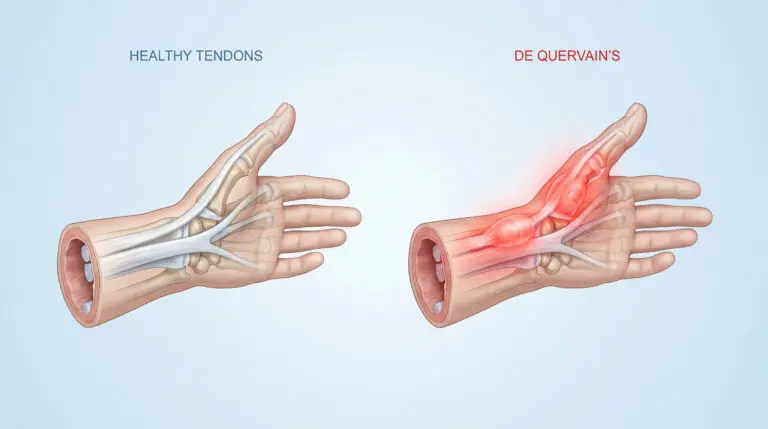
De Quervain’s Tenosynovitis in Texas Workers’ Compensation Claims
De Quervain’s Tenosynovitis is one of the most painful and function‑limiting tendon injuries seen in Texas workers’ compensation claims. It occurs when the tendons controlling thumb movement — the abductor pollicis longus (APL) and extensor pollicis brevis (EPB) — become inflamed inside a narrow sheath on the radial (thumb) side of the wrist.
Workers often experience sharp pain when gripping, lifting, twisting, or performing repetitive thumb motions. Despite clear medical evidence, insurance carriers frequently dispute De Quervain’s injuries, calling them “minor,” “degenerative,” or “not work‑related.”
This post explains how De Quervain’s Tenosynovitis develops, how it’s diagnosed, what treatment is available, and how injured workers can protect their claims.

What to Do After an Uber or Lyft Accident in Texas
An Uber or Lyft crash can involve several drivers, insurance companies, and app-based coverage rules. These steps can protect your health, evidence, and Texas injury claim.

Texas Rideshare Injury Attorney
Injured as an Uber or Lyft passenger, driver, pedestrian, or motorist? Learn how Texas rideshare claims work, which insurance policy may apply, and how MLF Legal can help.
Wrist Sprains and Ligament Tears in Texas Workers’ Compensation Claims
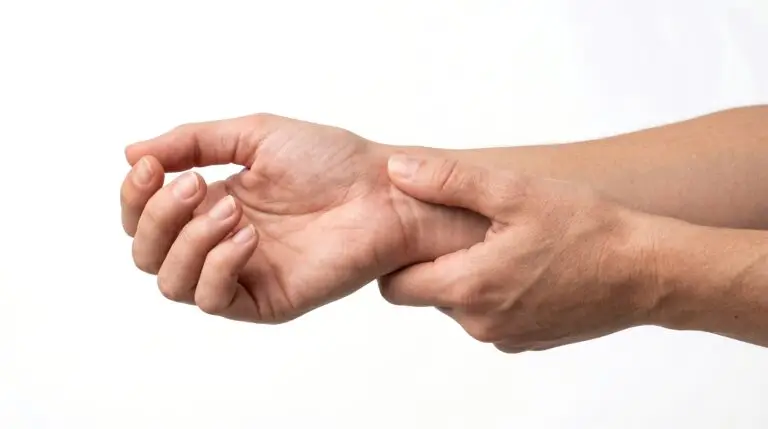
Wrist sprains and ligament tears are extremely common in Texas workers’ compensation claims — especially in construction, warehousing, manufacturing, oilfield work, transportation, and any job requiring lifting, gripping, twisting, or tool use. Ligaments stabilize the wrist and keep the carpal bones aligned. When sprained or torn, workers often experience pain, swelling, clicking, instability, and difficulty performing essential job tasks.
Despite clear medical evidence, insurance carriers frequently dispute ligament injuries, calling them “minor,” “degenerative,” or “not work‑related.” This post explains how wrist sprains and ligament tears develop, how they’re diagnosed, what treatment is available, and how injured workers can protect their claims.