
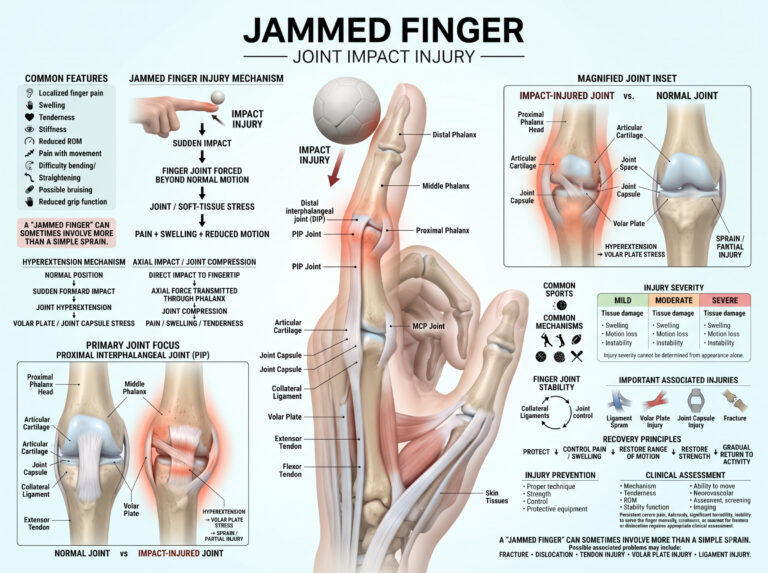
PIP Joint Injuries in Texas Workers’ Compensation Claims
PIP joint injuries are among the most common finger injuries seen in Texas workers’ compensation claims. The proximal interphalangeal (PIP) joint, commonly called the middle finger joint, is critical for gripping, lifting, pinching, and performing fine motor tasks. Because the PIP joint is heavily involved in almost every hand movement, even a seemingly minor injury can lead to significant pain, stiffness, weakness, and long‑term disability.
Workers in construction, manufacturing, warehousing, transportation, oilfield operations, healthcare, and industrial settings frequently injure the PIP joint through crush injuries, falls, machinery accidents, heavy lifting, and sudden twisting or pulling forces.
Insurance carriers often minimize these injuries as simple finger sprains. In reality, PIP joint injuries may involve fractures, ligament tears, tendon disruptions, dislocations, instability, and post‑traumatic arthritis.
This post explains how PIP joint injuries occur, how they’re diagnosed, what treatment may be required, and how injured workers can protect their claims.

Near-Drowning Brain Injuries in Texas: Compensation and Legal Rights
A Texas near-drowning victim may require lifelong care for brain damage caused by oxygen deprivation. Learn who may be liable and what compensation may be available.

HOA and Community Pool Accidents in Texas: Who Can Be Held Liable?
A Texas HOA may be liable when inadequate fencing, a broken gate, cloudy water, negligent maintenance, or another dangerous community pool condition causes an injury.
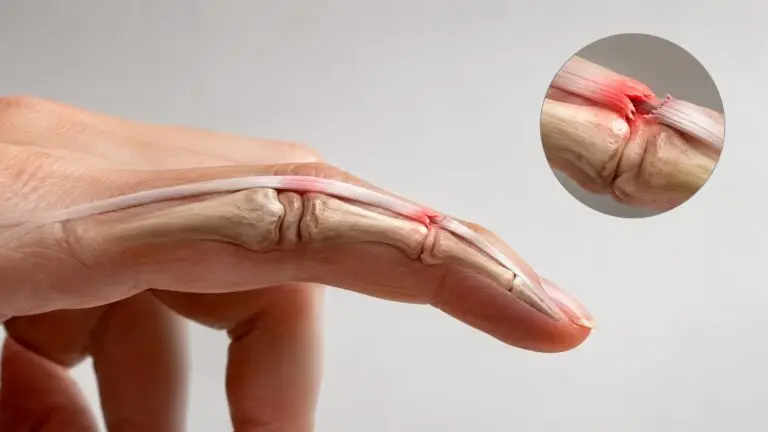
Jersey Finger (FDP Avulsion) in Texas Workers’ Compensation Claims
Jersey Finger is one of the most serious tendon injuries affecting the hand and fingers in Texas workers’ compensation claims. The injury occurs when the Flexor Digitorum Profundus (FDP) tendon tears away from the fingertip, often pulling a fragment of bone with it. Workers frequently experience a sudden loss of finger function, severe pain, grip weakness, and difficulty performing essential job duties.
While Jersey Finger is often associated with athletic injuries, it is also common in workplace accidents involving machinery, heavy lifting, crush injuries, and sudden pulling forces. Because the injury frequently requires surgery and prolonged rehabilitation, insurance carriers often dispute the severity of the condition or attempt to characterize it as a simple finger sprain.
This post explains how Jersey Finger occurs, how it is diagnosed, what treatment is available, and how injured workers can protect their claims.
Can I Work With Neuropathy?
Some people with neuropathy are able to continue working when their symptoms are mild, treatment is effective, and their job does not aggravate their condition. Others develop burning pain, numbness, weakness, balance problems, difficulty walking, or loss of hand function that makes reliable full-time work increasingly difficult.
The key question is not simply whether you have neuropathy.
It is:
Can you work safely, reliably, and consistently despite your neuropathy?
Neuropathy does not automatically qualify someone for Social Security Disability benefits. Social Security evaluates how the condition affects your ability to perform work activities such as:
standing
walking
balancing
lifting and carrying
using your hands
gripping and fingering
driving
maintaining concentration
working safely
attending work consistently
completing a normal workday
Neuropathy may interfere with work through:
burning pain
numbness
tingling
reduced sensation
muscle weakness
foot drop
poor balance
frequent falls
hand weakness
reduced grip strength
fatigue
medication side effects
sleep disruption from pain
This guide explains when a person may still be able to work with neuropathy, when neuropathy may become disabling, and how Social Security evaluates neuropathy-related work limitations.

Hotel Pool Accidents in Texas: Who Is Responsible for Guest Injuries?
A Texas hotel may be liable when inadequate maintenance, unsafe drains, cloudy water, negligent supervision, or another dangerous pool condition causes a guest’s injury.
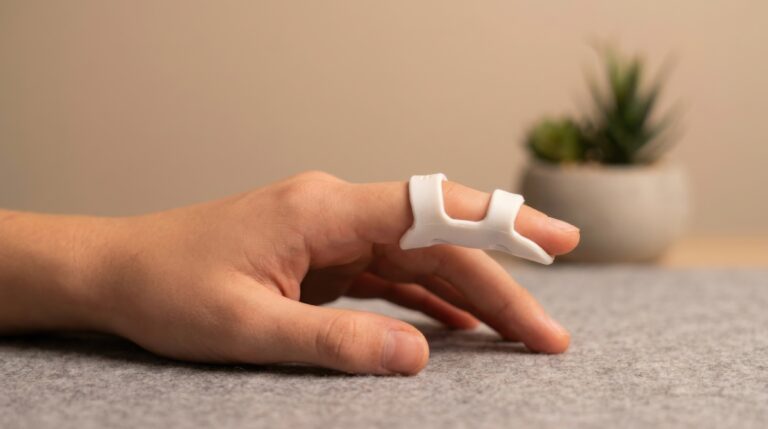
Mallet Finger in Texas Workers’ Compensation Claims
Mallet finger is one of the most common tendon injuries involving the hand and fingers in Texas workers’ compensation claims. Although many people assume it is a minor injury, an untreated mallet finger can cause permanent deformity, loss of motion, weakness, and long-term problems with grip and hand function.
Workers in construction, manufacturing, warehousing, transportation, healthcare, food service, and industrial settings can develop mallet finger after a crush injury, direct impact, machinery accident, or sudden force applied to the fingertip.
Insurance carriers frequently minimize these injuries as simple sprains or minor finger jams. In reality, many mallet finger injuries involve tendon ruptures, avulsion fractures, joint instability, and permanent impairment.
This post explains how mallet finger occurs, how it is diagnosed, what treatment may be required, and how injured workers can protect their claims.
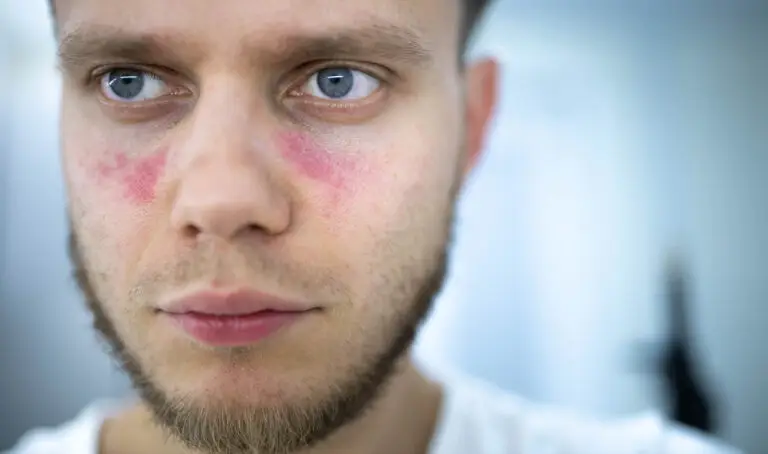
Can I Work With Lupus?
Many people with lupus continue working for years, especially when symptoms are controlled and the job fits their limitations. Others reach a point where fatigue, joint pain, brain fog, medication side effects, organ complications, or unpredictable flares make reliable full-time work difficult or impossible.
The key question is not simply whether you have lupus.
It is whether you can work reliably, consistently, and safely despite lupus.
Lupus does not automatically qualify someone for Social Security Disability benefits. Social Security looks at how the condition actually affects your ability to function in a workplace.
That may include your ability to:
stand and walk
lift and carry
use your hands
concentrate
maintain pace
tolerate stress
attend work consistently
complete a normal workday
Lupus may affect work through:
severe fatigue
joint pain and swelling
hand problems
brain fog
headaches
frequent flares
kidney, lung, heart, or nerve involvement
medication side effects
recurrent infections
excessive absences
This guide explains when a person may still be able to work with lupus, when lupus may become disabling, and how Social Security evaluates lupus-related work limitations.
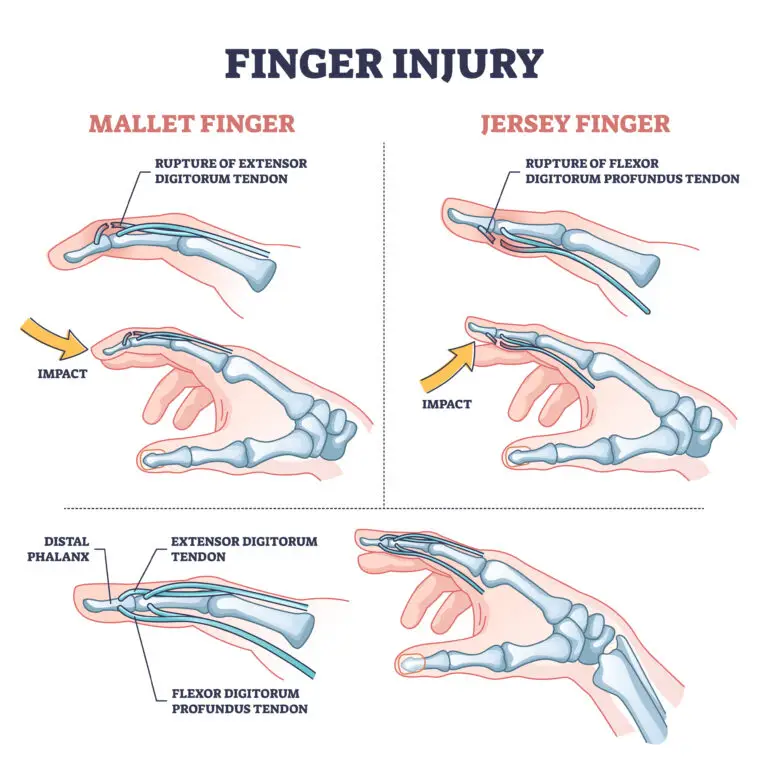
Avulsion Fractures in Texas Workers’ Compensation Claims
Avulsion fractures are common in Texas workers’ compensation claims — especially in construction, warehousing, manufacturing, oilfield work, transportation, and any job requiring gripping, lifting, pushing, pulling, or tool use. An avulsion fracture occurs when a tendon or ligament pulls off a piece of bone, usually during sudden force, twisting, or hyperextension.
These injuries often accompany tendon ruptures, ligament tears, dislocations, and crush injuries. Insurance carriers frequently dispute avulsion fractures, calling them “minor,” “degenerative,” or “not work‑related.”
This post explains how avulsion fractures occur, how they’re diagnosed, what treatment is available, and how injured workers can protect their claims.

Texas Swimming Pool Wrongful Death Claims: What Families Need to Know
When negligence causes a fatal swimming pool accident in Texas, a surviving spouse, child, or parent may be entitled to pursue a wrongful death claim.

Can I Work With Bipolar Disorder?
Many people with bipolar disorder want to work, and some are able to maintain employment when symptoms are stable, treatment is effective, and the job environment is manageable. Others experience depressive episodes, manic or hypomanic episodes, mood swings, sleep disruption, poor concentration, irritability, medication side effects, hospitalizations, or unpredictable symptoms that make full-time work impossible.
The question is not simply whether you have bipolar disorder.
The better question is:
Can you work reliably, safely, and consistently despite bipolar disorder?
Bipolar disorder does not automatically qualify someone for Social Security Disability benefits. Social Security evaluates whether the condition prevents the person from performing work activity on a regular and continuing basis.
Bipolar disorder may affect work when it causes:
depressive episodes
manic episodes
hypomanic episodes
mood swings
irritability
poor concentration
racing thoughts
impulsive decisions
sleep disruption
panic symptoms
social conflict
poor stress tolerance
missed workdays
hospitalizations
medication side effects
inability to complete a full workday
inability to sustain full-time work
This guide explains when a person may still be able to work with bipolar disorder, when bipolar disorder may become disabling, how Social Security evaluates bipolar-related work limitations, and what medical evidence may help support a disability claim.
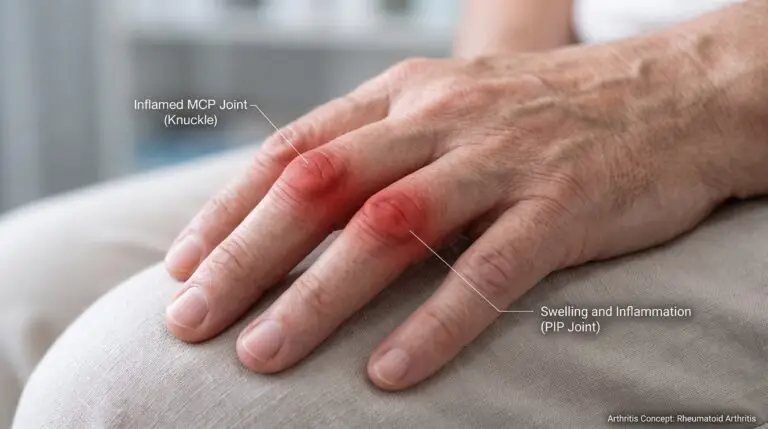
Sagittal Band Rupture (Boxer’s Knuckle) in Texas Workers’ Compensation Claims
Sagittal band ruptures, often called Boxer’s Knuckle, are painful hand injuries commonly seen in Texas workers’ compensation claims. The injury occurs when the structures responsible for keeping the extensor tendon centered over the knuckle tear or become disrupted. Workers often experience pain, popping, snapping, weakness, and an inability to properly straighten the finger.
Although sagittal band ruptures can significantly impair hand function, insurance carriers frequently minimize these injuries as simple sprains or tendonitis. In reality, many workers require immobilization, therapy, or surgery to restore normal hand function.
This post explains how sagittal band ruptures occur, how they are diagnosed, what treatment may be required, and how injured workers can protect their claims.

How Long Do You Have to File a Swimming Pool Accident Lawsuit in Texas?
Texas generally gives pool accident victims two years to file a personal injury lawsuit, but special rules and shorter notice deadlines may apply.
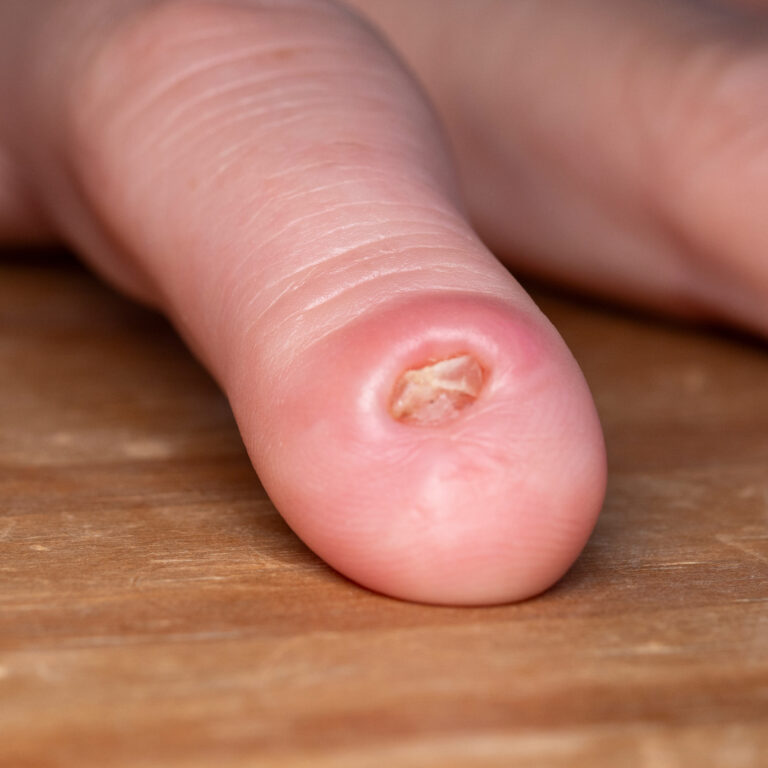
Fingertip Amputations in Texas Workers’ Compensation Claims
Fingertip amputations are among the most common traumatic amputations in Texas workers’ compensation claims. These injuries frequently occur in construction, manufacturing, warehousing, oilfield work, transportation, food service, and any job involving cutting tools, machinery, or heavy equipment.
Even “small” fingertip amputations can cause major functional loss, chronic pain, hypersensitivity, nail deformity, nerve damage, and permanent impairment. Insurance carriers often minimize these injuries, calling them “minor,” “not disabling,” or “not work‑related.”
This post explains how fingertip amputations occur, how they’re diagnosed and treated, what benefits may be available, and how injured workers can protect their claims.

Residual Functional Capacity for ALS When Filing for Social Security Disability
Amyotrophic lateral sclerosis, commonly called ALS or Lou Gehrig’s disease, is one of the most serious neurological conditions evaluated by Social Security. ALS can affect strength, walking, hand use, speech, swallowing, breathing, fatigue, safety, and the ability to perform even basic work activity.
For many ALS claims, the most important issue may be whether the condition meets Social Security Blue Book Listing 11.10 or qualifies for faster processing through Compassionate Allowances. Social Security’s Blue Book includes Listing 11.10 for amyotrophic lateral sclerosis established by clinical and laboratory findings, and SSA lists adult ALS as a Compassionate Allowances condition.
But residual functional capacity, or RFC, can still matter. RFC explains what a person can still do despite medical limitations. In an ALS claim, RFC may help show why the person cannot sustain full-time work even if Social Security needs additional functional evidence.
An ALS RFC may involve limitations related to:
muscle weakness
loss of hand function
difficulty walking
balance problems
falls
foot drop
use of a cane, walker, wheelchair, or power chair
speech problems
swallowing problems
breathing problems
fatigue
cramps or spasticity
reduced stamina
need for assistance with daily activities
safety restrictions
inability to complete a full workday
ALS is progressive. That means the RFC analysis should consider not only current limitations, but also the disease course, expected decline, treatment records, assistive device needs, and whether the person can sustain work reliably over time.
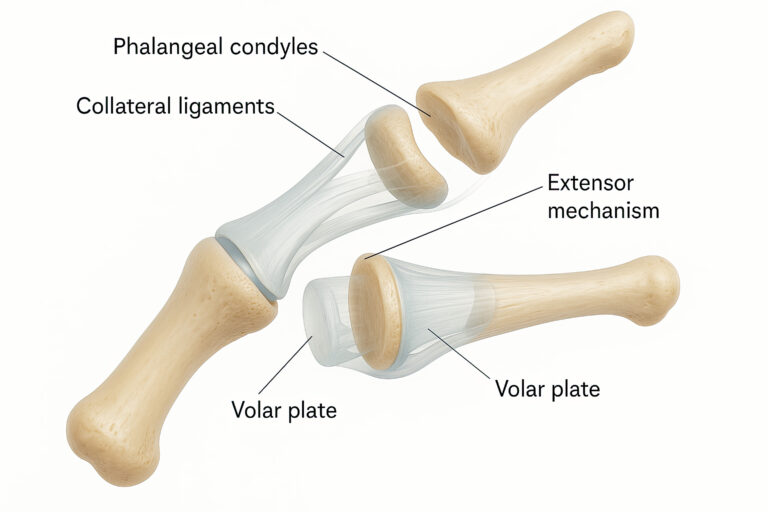
Volar Plate Injuries in Texas Workers’ Compensation Claims
Volar plate injuries are common in Texas workers’ compensation claims — especially in construction, warehousing, manufacturing, oilfield work, transportation, and any job requiring gripping, lifting, pushing, pulling, or tool use. The volar plate is a thick ligament‑like structure that prevents the finger from bending backward (hyperextension). When injured, workers often experience pain, swelling, instability, and difficulty performing essential job tasks.
Insurance carriers frequently dispute volar plate injuries, calling them “minor,” “degenerative,” or “not work‑related.” This post explains how volar plate injuries occur, how they’re diagnosed, what treatment is available, and how injured workers can protect their claims.
Causation Letters In Texas Workers’ Compensation Cases
When you’re hurt at work in Texas, one of the most important parts of your workers’ compensation case is causation — the medical explanation of what the accident actually caused inside your body. Insurance companies fight extent‑of‑injury disputes every day, and the only way to win those battles is with a strong, well‑reasoned causation letter from your treating doctor.
This blog explains how doctors think about causation, what evidence they look for in your medical records and imaging, and what they must include in a causation letter to help you win your case.

What Evidence Do You Need for a Texas Swimming Pool Injury Claim?
The evidence needed for a Texas swimming pool injury claim depends on where the accident occurred, what caused it, who controlled the pool, and the injuries involved. Important evidence often includes photographs, surveillance footage, witness statements, inspection reports, maintenance records, pool-testing logs, medical records, prior complaints, and applicable insurance policies.
Evidence can disappear quickly after a pool accident. A property owner may repair a broken gate, replace a defective drain, clear cloudy water, add warning signs, or correct unsafe lighting. Surveillance footage may be overwritten within days.
For that reason, preserving evidence immediately can be just as important as identifying it.
At MLF Legal, our Texas personal injury attorneys investigate serious pool accidents involving drownings, brain injuries, spinal cord damage, electrical hazards, defective equipment, and unsafe property conditions. We work to secure the evidence needed to establish liability, causation, damages, and available insurance coverage.
Learn more about your legal options on our Texas Pool Injury Attorney pillar page.
Call the Personal Injury Lawyers at MLF Legal at 214-357-1782 for a free consultation.
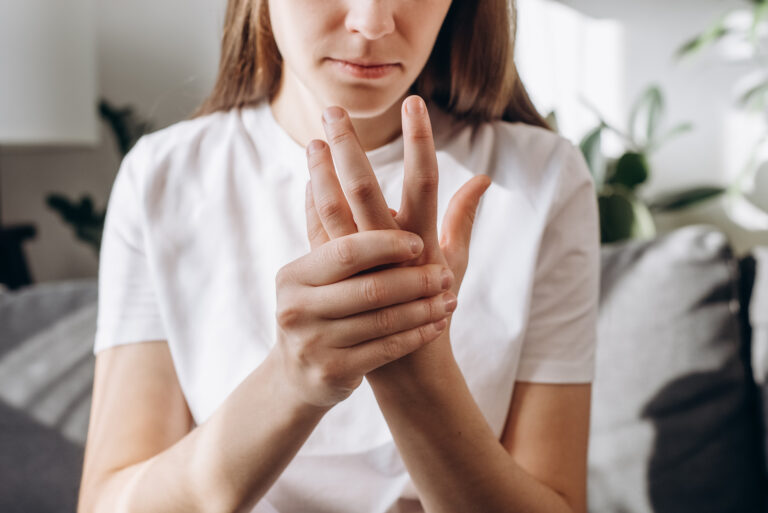
Can I Work With Rheumatoid Arthritis?
Many people with rheumatoid arthritis want to keep working as long as they can. Some people are able to continue working with rheumatoid arthritis when symptoms are controlled, flares are limited, and job duties are compatible with their physical limitations. Others reach a point where joint pain, swelling, stiffness, fatigue, hand problems, medication side effects, or unpredictable flares make full-time work unrealistic.
The question is not simply whether you have rheumatoid arthritis.
The better question is:
Can you work reliably, safely, and consistently despite rheumatoid arthritis?
Rheumatoid arthritis does not automatically qualify someone for Social Security Disability benefits. Social Security evaluates how the condition affects the ability to perform work activities such as standing, walking, lifting, carrying, reaching, handling, fingering, concentrating, maintaining pace, attending work, and completing a full workday.
Rheumatoid arthritis may affect work when it causes:
joint pain
joint swelling
morning stiffness
hand and finger problems
reduced grip strength
difficulty typing or writing
difficulty standing or walking
fatigue
flares
medication side effects
immune suppression
missed workdays
inability to sustain full-time work
This guide explains when a person may still be able to work with rheumatoid arthritis, when RA may become disabling, how Social Security evaluates RA work limitations, and what evidence may help support a disability claim.
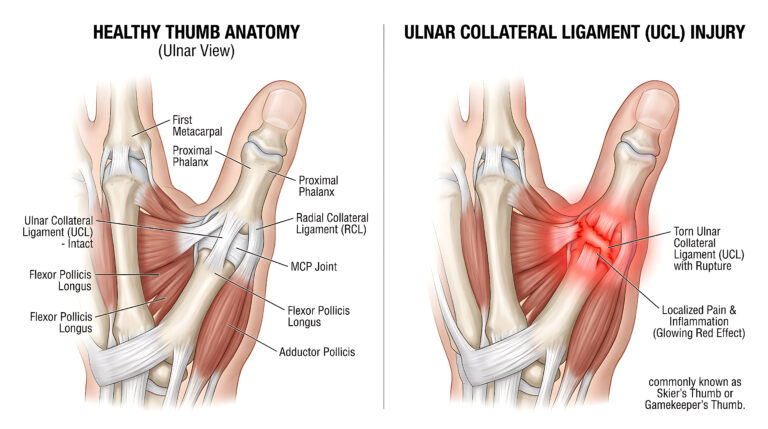
Thumb RCL Tears in Texas Workers’ Compensation Claims
Thumb RCL tears — injuries to the radial collateral ligament of the thumb — are less common than UCL tears but often more traumatic and more disabling. The RCL stabilizes the thumb’s MCP joint on the outer (radial) side, preventing the thumb from bending inward. When torn, workers experience pain, instability, weakness, and difficulty gripping or pinching.
Insurance carriers frequently dispute RCL injuries, calling them “minor,” “degenerative,” or “not work‑related.” This post explains how thumb RCL tears occur, how they’re diagnosed, what treatment is available, and how injured workers can protect their claims.