

Austedo and Social Security Disability Benefits
Austedo, also known by its generic name deutetrabenazine, is a prescription medication used to treat certain involuntary movement disorders.
Current FDA labeling lists Austedo and Austedo XR for adults with:
chorea associated with Huntington’s disease
tardive dyskinesia
Taking Austedo does not automatically qualify someone for Social Security Disability benefits.
Social Security looks at:
the underlying neurological or movement disorder
severity and frequency of involuntary movements
ability to use the hands
ability to speak or communicate
balance and walking
concentration and pace
medication side effects
sedation
depression or behavioral symptoms
attendance
ability to complete a normal workday
The key question is whether the underlying condition, despite treatment with Austedo, prevents you from sustaining full-time competitive employment.

Can You Sue a Store After a Slip and Fall in Texas?
Yes, you may be able to sue a store after a slip and fall in Texas—but an injury alone does not establish liability. Your claim depends on the dangerous condition, the store’s knowledge, its response, and whether that failure caused your injury.
A grocery-store spill, leaking freezer, or damaged floor can lead to painful injuries and expensive treatment. If you were hurt while shopping in Dallas–Fort Worth or elsewhere in Texas, MLF Legal, PLLC’s personal injury attorneys can review what happened and explain your options.
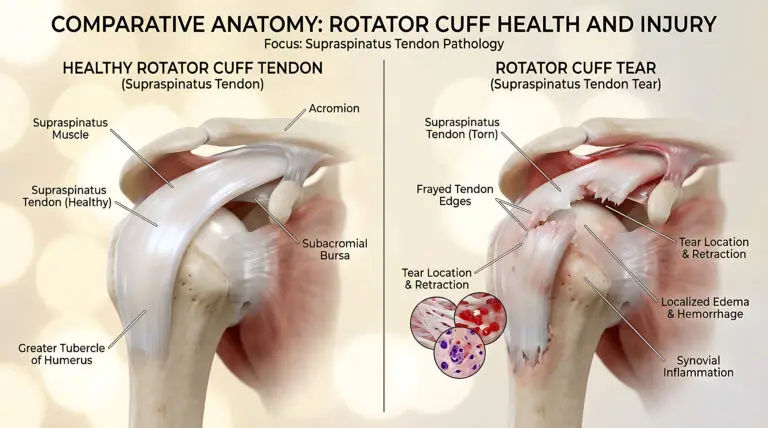
Causation Letters for Rotator Cuff Tears in Texas Workers’ Compensation Claims
Rotator cuff tears are among the most heavily litigated injuries in Texas workers’ compensation claims. Insurance carriers routinely argue that a tear is merely the product of aging, degeneration, or a preexisting condition rather than a workplace injury. As a result, a well-written causation letter is often the difference between an approved surgery and a denied claim.
However, many causation letters fail because they simply state a conclusion without explaining the biomechanics of injury. The strongest opinions explain not only what happened, but how the forces generated by the workplace accident damaged the rotator cuff.
An effective causation letter should analyze the mechanism of injury, the anatomy involved, the forces applied to the shoulder, the timing of symptoms, imaging findings, and the distinction between degeneration and true aggravation.
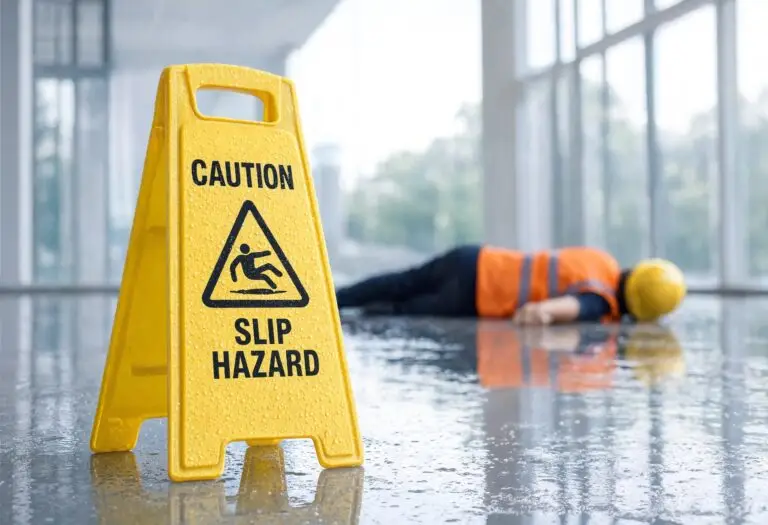
Texas Premises Liability Laws: What Injured Visitors Need to Prove
An injury at a grocery store, apartment complex, hotel, or another property can leave you facing medical bills and missed work. But being injured on someone else’s property does not automatically establish a right to compensation.
Texas premises liability laws determine when a property owner or operator may be legally responsible for a dangerous condition. Your reason for being on the property, the defendant’s knowledge, and the connection between the condition and your injury can all affect the claim.
MLF Legal, PLLC’s personal injury attorneys can review what happened and explain the evidence needed to pursue compensation.

Diclofenac and Social Security Disability Benefits
Diclofenac is a nonsteroidal anti-inflammatory drug, or NSAID, used to reduce pain and inflammation.
Prescription oral diclofenac sodium delayed-release tablets are used for the signs and symptoms of:
osteoarthritis
rheumatoid arthritis
ankylosing spondylitis
Diclofenac is also available in topical forms. Diclofenac sodium 1% gel is marketed for temporary relief of arthritis pain in joints such as the hands, wrists, elbows, feet, ankles, and knees.
Taking diclofenac does not automatically qualify someone for Social Security Disability benefits.
Social Security looks at:
the condition causing the pain
severity of symptoms
treatment history
response to medication
medication side effects
ability to stand and walk
ability to use the hands
ability to lift and carry
fatigue
attendance
ability to complete a normal workday
The important question is whether your underlying condition, despite treatment with diclofenac, prevents you from sustaining full-time competitive employment.
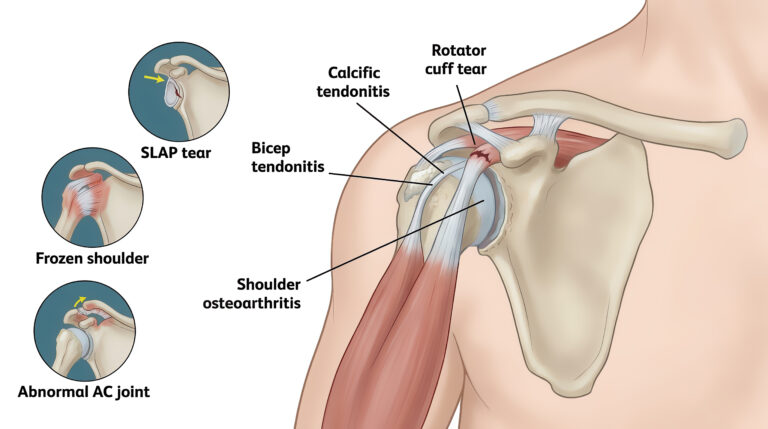
Biceps Tendon Tears in Texas Workers’ Compensation Claims
Biceps tendon tears are common workplace injuries that can cause significant shoulder pain, weakness, loss of lifting ability, and permanent functional limitations. In Texas workers’ compensation claims, these injuries frequently occur during heavy lifting accidents, falls, sudden pulling events, and traumatic shoulder injuries.
Unfortunately, biceps tendon tears are often disputed by insurance carriers because imaging may show preexisting degeneration or age-related changes. As a result, workers are frequently told their injury is “wear and tear” rather than the result of workplace trauma.
This post explains how biceps tendon tears occur, how they are diagnosed, what treatment may be required, and how injured workers can protect their workers’ compensation claims.
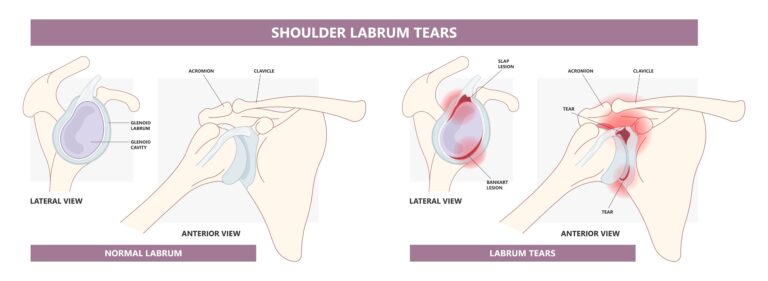
Labral Tears in Texas Workers’ Compensation Claims
Shoulder labral tears are among the most frequently missed and disputed shoulder injuries in Texas workers’ compensation claims. The labrum is a ring of cartilage that surrounds the shoulder socket and helps stabilize the shoulder joint. When torn, workers often experience pain, weakness, instability, clicking, and difficulty performing overhead work, lifting, pushing, pulling, and other essential job duties.
Labral tears commonly occur alongside rotator cuff injuries, shoulder dislocations, biceps tendon injuries, and traumatic falls. Because MRI findings can sometimes show age-related changes, insurance carriers frequently argue that a labral tear is “degenerative” rather than work-related.
This post explains how shoulder labral tears occur, how they are diagnosed, what treatment may be required, and how injured workers can protect their claims.

What to Do After a Slip and Fall Accident in Texas
A slip and fall can interrupt an ordinary trip to a grocery store, restaurant, hotel, or apartment complex. Suddenly, you may be dealing with pain, medical bills, and time away from work.
If you are wondering what to do after a slip and fall in Texas, start with medical care, report the incident, and preserve evidence when it is safe to do so. These steps can protect your health and provide a clearer record of what happened.
MLF Legal, PLLC’s personal injury attorneys can review the circumstances and explain whether a premises liability claim may be available.

Meloxicam and Social Security Disability Benefits
Meloxicam is a prescription nonsteroidal anti-inflammatory drug, or NSAID, used to treat pain and inflammation associated with arthritis.
Current U.S. prescribing information lists meloxicam for:
osteoarthritis
rheumatoid arthritis
juvenile rheumatoid arthritis in certain patients
Taking meloxicam does not automatically qualify someone for Social Security Disability benefits.
Social Security looks at:
the condition causing the pain
severity of joint or musculoskeletal symptoms
treatment history
response to meloxicam
medication side effects
ability to stand and walk
ability to lift and carry
ability to use the hands
fatigue
attendance
ability to complete a normal workday
The important question is whether your underlying condition, despite treatment with meloxicam, prevents you from sustaining full-time competitive employment.

Texas Premises Liability Attorney
Learn when a Texas property owner may be responsible for an injury, what evidence matters, and how MLF Legal can help you pursue compensation.
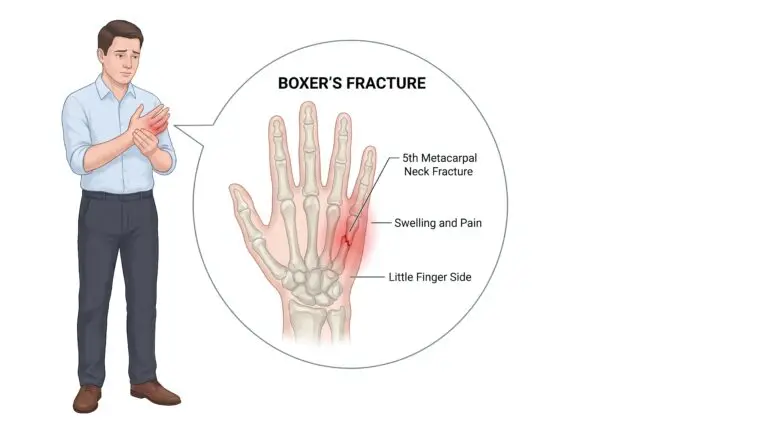
Boxer’s Fracture in Texas Workers’ Compensation Claims
A Boxer’s Fracture is one of the most common hand fractures seen in Texas workers’ compensation claims. Despite the name, these injuries are not limited to punching incidents. In the workplace, Boxer’s Fractures frequently occur when a worker’s hand is crushed by equipment, struck by a heavy object, caught in machinery, or subjected to a sudden force.
Because the injury affects the bones supporting grip strength and hand function, workers often experience pain, weakness, loss of dexterity, and difficulty performing essential job duties. While insurance carriers may characterize Boxer’s Fractures as relatively minor injuries, displaced fractures can lead to permanent deformity, arthritis, and lasting impairment.
This post explains how Boxer’s Fractures occur, how they are diagnosed, what treatment may be required, and how injured workers can protect their claims.

Can You Sue After a Slip-and-Fall Accident at a Texas Swimming Pool?
A wet pool deck does not automatically make a property owner liable. Learn when unsafe flooring, poor drainage, algae, inadequate warnings, or negligent maintenance may support a Texas swimming pool injury claim.
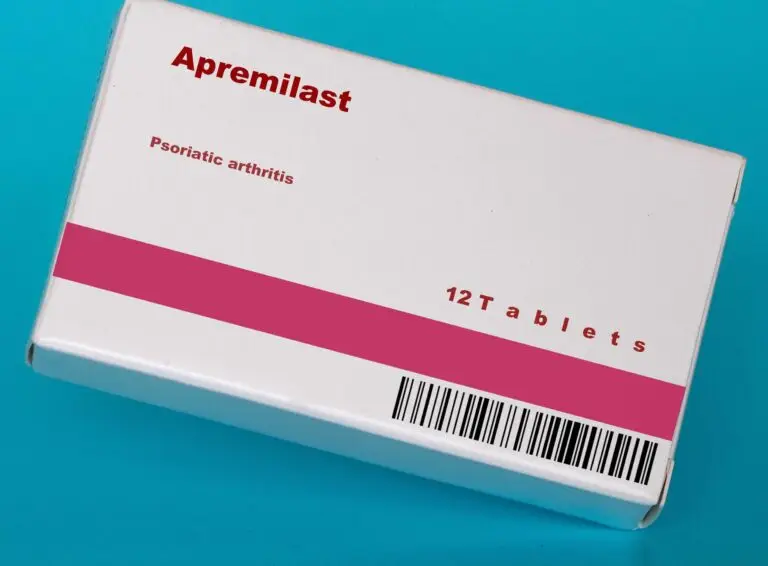
Otezla and Social Security Disability Benefits
Otezla, also known by its generic name apremilast, is an oral prescription medication used to treat certain inflammatory conditions.
Current FDA-approved uses include:
active psoriatic arthritis
plaque psoriasis in people who are candidates for phototherapy or systemic treatment
oral ulcers associated with Behçet’s disease
Otezla and the newer extended-release Otezla XR are phosphodiesterase-4, or PDE4, inhibitors.
Taking Otezla does not automatically qualify someone for Social Security Disability benefits.
Social Security looks at:
the underlying medical condition
severity of symptoms
treatment history
response to medication
joint and hand limitations
fatigue
skin symptoms
medication side effects
gastrointestinal problems
weight loss
mental health symptoms
attendance
ability to complete a normal workday
The important question is whether your underlying condition and treatment effects prevent you from sustaining full-time competitive employment.
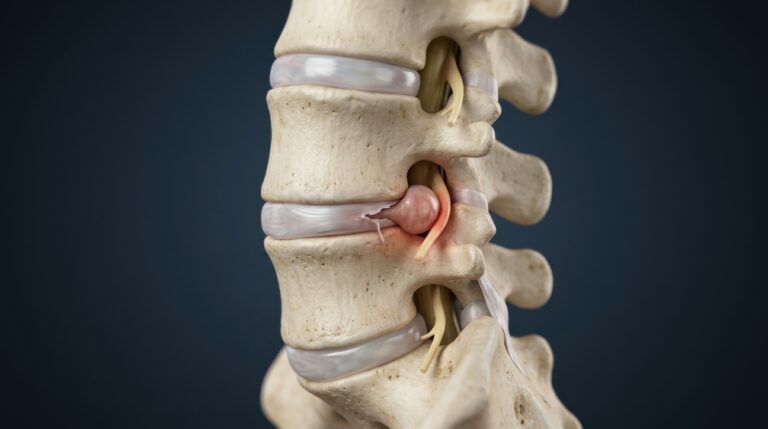
Causation Letters For Lumbar Disc Herniations
A lumbar disc herniation is one of the most common injuries disputed in Texas workers’ compensation claims. Insurance companies frequently argue that a herniated disc is the result of aging, degeneration, or a pre-existing condition rather than a workplace accident. That’s why a causation letter for lumbar disc herniations is so important in Texas workers’ compensation claims.
The difference between a denied claim and a successful extent-of-injury claim often comes down to one thing: the quality of the causation letter.
This article explains how doctors evaluate whether a lumbar disc herniation was caused by a work accident, what findings support causation, and what treating physicians should include in a causation letter.

What Should You Do After a Swimming Pool Accident in Texas?
The steps taken after a Texas swimming pool accident can affect the victim’s health and legal rights. Learn how to obtain treatment, document the scene, preserve evidence, and protect a potential injury claim.
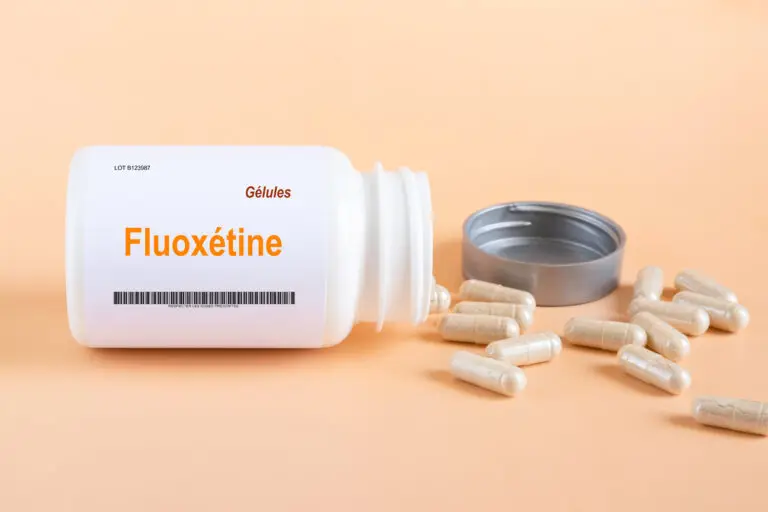
Prozac and Social Security Disability Benefits
Prozac, also known by its generic name fluoxetine, is a selective serotonin reuptake inhibitor, or SSRI, used to treat several mental health conditions.
Current U.S. prescribing information lists fluoxetine for:
major depressive disorder
obsessive-compulsive disorder
bulimia nervosa
panic disorder, with or without agoraphobia
Taking Prozac does not automatically qualify someone for Social Security Disability benefits.
Social Security looks at:
the underlying mental health condition
severity and frequency of symptoms
treatment history
response to medication
medication side effects
concentration and memory
pace and persistence
ability to interact with others
stress tolerance
attendance
ability to complete a normal workday
The important question is whether your mental health condition, despite treatment with Prozac, prevents you from sustaining full-time competitive employment.
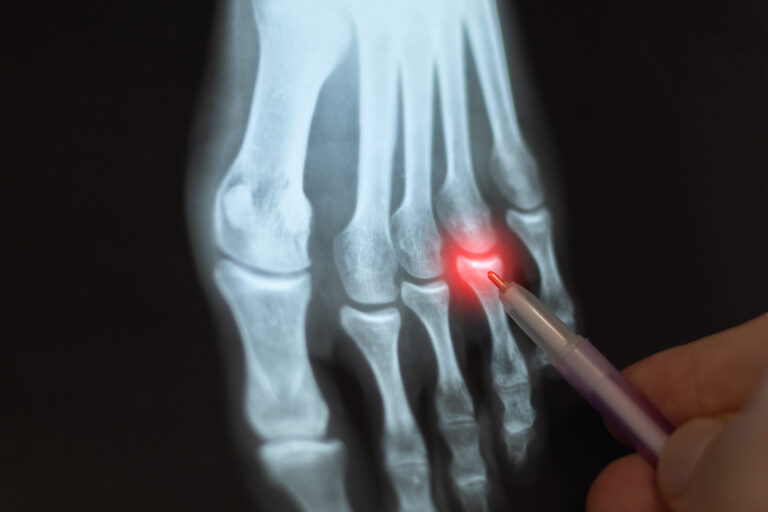
Phalangeal Fractures in Texas Workers’ Compensation Claims
Phalangeal fractures are among the most common finger injuries in Texas workers’ compensation claims. The phalanges are the bones that make up the fingers and thumb, and even small fractures can significantly affect grip strength, dexterity, lifting ability, and overall hand function.
Workers in construction, manufacturing, warehousing, transportation, oilfield operations, healthcare, and industrial settings frequently suffer phalangeal fractures from crush injuries, machinery accidents, falls, and direct trauma. While some fractures heal with splinting, others require surgery and months of rehabilitation.
Insurance carriers often minimize finger fractures as minor injuries, but improperly treated fractures can lead to permanent stiffness, deformity, arthritis, and lasting impairment.
This post explains how phalangeal fractures occur, how they are diagnosed, what treatment may be required, and how injured workers can protect their claims.

Swimming Pool Gate and Fence Requirements in Texas
Texas law imposes gate, fence, and enclosure requirements on many swimming pools. Learn how a broken latch, climbable fence, or unsecured entrance may affect a pool injury claim.

Tramadol and Social Security Disability Benefits
Tramadol is a prescription opioid pain medication used to treat pain severe enough to require an opioid when other treatments are inadequate. Current prescribing information emphasizes using the lowest effective dose for the shortest appropriate duration because tramadol carries serious opioid-related risks.
If you take tramadol for chronic pain, that may be relevant to a Social Security Disability claim. But taking tramadol does not automatically qualify someone for disability benefits.
Social Security looks at:
the medical condition causing the pain
severity and duration of pain
treatment history
response to medication
medication side effects
ability to concentrate
ability to stand, walk, lift, or use the hands
safety restrictions
attendance
ability to complete a normal workday
The important question is whether your underlying medical condition, chronic pain, and treatment effects prevent you from sustaining full-time competitive employment.
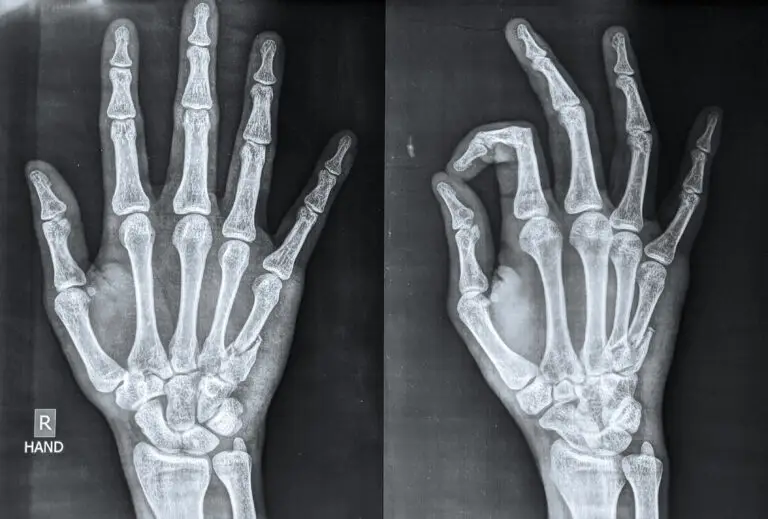
Metacarpal Fractures in Texas Workers’ Compensation Claims
Metacarpal fractures are among the most common hand injuries seen in Texas workers’ compensation claims. The metacarpals are the five long bones that form the palm of the hand and connect the wrist to the fingers. Because they are essential for grip strength, lifting, carrying, tool use, and manual labor, a metacarpal fracture can significantly impact a worker’s ability to perform job duties.
Workers in construction, manufacturing, warehousing, transportation, oilfield operations, and industrial settings frequently suffer metacarpal fractures due to crush injuries, machinery accidents, falls, and heavy-object impacts.
Although insurance carriers often characterize these fractures as routine injuries, many workers develop chronic pain, loss of grip strength, finger deformities, post-traumatic arthritis, and permanent impairment.
This post explains how metacarpal fractures occur, how they are diagnosed, what treatment may be required, and how injured workers can protect their claims.