Skip to content
Texas Workers’ Comp Lawyer
Dallas Workers’ Compensation Attorney
Fort Worth Workers’ Compensation Attorney
Houston Workers’ Compensation Attorney
Austin Workers’ Compensation Attorney
Arlington Workers’ Compensation Attorney
Mckinney Workers’ Compensation Attorney
San Antonio Workers’ Compensation Attorney
Garland Workers’ Compensation Attorney
Waco Workers’ Compensation Attorney
Texas Workers’ Comp Lawyer
Dallas Workers’ Compensation Attorney
Fort Worth Workers’ Compensation Attorney
Houston Workers’ Compensation Attorney
Austin Workers’ Compensation Attorney
Arlington Workers’ Compensation Attorney
Mckinney Workers’ Compensation Attorney
San Antonio Workers’ Compensation Attorney
Garland Workers’ Compensation Attorney
Waco Workers’ Compensation Attorney
SE HABLA ESPANOL
LEGAL BLOG
(214) 357-1782
(817) 496-3447
Search
Home
About us
Close About us
Open About us
About MLF Legals Team
Customer Reviews
Legal Blog
Practice Areas
Close Practice Areas
Open Practice Areas
Practice Areas
Personal Injury Law
Workers Compensation Law
Social Security Disability Law
18-Wheeler Trucks Accident Law
Car Accident Attorney
Motorcycle Accidents Law
Construction Site Injury Lawyers
Warehouse Injury Lawyer
Oil Field Injury
Aviation Accident Lawyers
MLF Legal Offering FREE Online Meetings
Making it Easier for Our Clients.
Appointment Date
Appointment Time
First Name
Last Name
Email
Phone
Type of Legal Advice
Message
BOOK APPOINTMENT
Legal Resources
Close Legal Resources
Open Legal Resources
Legal Resources
MLF Legal Help Blog
Games Insurance Companies Play Blog
Legal Videos
In the news
HAVE A CASE
Social Security Disability
DOWNLOAD E-BOOK
Workers' Compensation
DOWNLOAD E-BOOK
Contact MLF Legal
Close Contact MLF Legal
Open Contact MLF Legal
Contact us
Contact MLF Legal
MLF legal Locations
Online Appointments
SE HABLA ESPAÑOL
MAIN OFFICE (214) 357-1782
Contact us
First Name
Last Name
Email
Phone
Message
MAKE CONTACT
Home
About Us
Legal FAQ’s
Customer Reviews
Practice Areas
Workers Compensation law
Social Security Disability Lawyers
Personal Injury Law
Car Accident Attorney
Construction Site Injury Lawyers
Oil Field Injury
18-Wheeler Trucks Accident Law
Motorcycle Accidents Law
Aviation Accident Lawyers
Criminal Law
DWI Defense Lawyer
Family Lawyers
Legal Resources
MLF Legal Help Blog
Games Insurance Companies Play Blog
Legal Videos
In The News
Newsletter Archive
Contact MLF Legal
MLF Legal Locations
Online Appointment
Home
About Us
Legal FAQ’s
Customer Reviews
Practice Areas
Workers Compensation law
Social Security Disability Lawyers
Personal Injury Law
Car Accident Attorney
Construction Site Injury Lawyers
Oil Field Injury
18-Wheeler Trucks Accident Law
Motorcycle Accidents Law
Aviation Accident Lawyers
Criminal Law
DWI Defense Lawyer
Family Lawyers
Legal Resources
MLF Legal Help Blog
Games Insurance Companies Play Blog
Legal Videos
In The News
Newsletter Archive
Contact MLF Legal
MLF Legal Locations
Online Appointment
HIV and Social Security Disability Benefits
Read More »
Cervical Radiculopathy in Texas Workers’ Compensation Claims
Read More »
Does a Wet-Floor Sign Prevent a Texas Slip and Fall Claim?
Read More »
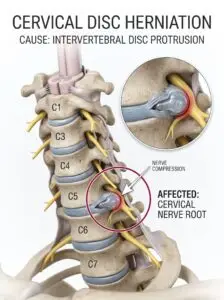
Cervical Herniated Discs in Texas Workers’ Compensation Claims
Read More »
Huntington’s Disease and Social Security Disability Benefits
Read More »
Who Pays Medical Bills After a Slip and Fall Accident in Texas?
Read More »
the Social Security Disability Handbook
Name
Phone
Email
Download
Claims Guide
the ultimate servival guide for texas injured
workers
Name
Phone
Email
Download